How to Treat Acne Scars Without Surgery
Understanding Acne Scars
Acne scars form when deep inflammation damages skin tissue, leaving behind indentations (atrophic scars) or raised areas (hypertrophic scars). The most common types are:
- Ice pick scars: Deep, narrow pitted scars
- Boxcar scars: Broad rectangular depressions with defined edges
- Rolling scars: Wide depressions with sloped edges that create a wave-like appearance
Why Non-Surgical Treatments Work
Non-surgical treatments work by stimulating your skin's natural collagen production to fill in depressions and smooth texture. The key is triggering the body's repair mechanism without the risks and downtime of surgery.
Important: No single treatment works for every scar type. A professional consultation is essential to determine the right approach for your specific scarring.
Effective Non-Surgical Treatments
Microneedling
Microneedling is one of the most effective treatments for atrophic acne scars. By creating controlled micro-injuries, it stimulates collagen production that gradually fills in pitted scars. Multiple sessions are usually needed for best results.
Chemical Peels
Medium to deep chemical peels resurface the skin by removing damaged outer layers. They're particularly effective for superficial scarring and pigmentation left behind by acne.
Laser Resurfacing
Fractional laser treatments target water in the skin to create micro-thermal zones, stimulating collagen remodelling. This is highly effective for boxcar and rolling scars.
Subcision
A minimally invasive technique where a needle is used to release the fibrous bands pulling the skin downward, allowing the scar to rise. Often combined with other treatments.
Combining Treatments for Best Results
Your practitioner may recommend combining treatments for optimal results. For example, subcision followed by microneedling can address both the structural cause and surface texture of rolling scars.
What Results to Expect
Most clients see 30–70% improvement in acne scarring after a full course of treatment. Results are gradual, with continued improvement for 3–6 months after your final session as collagen continues to rebuild.
Starting Your Acne Scar Journey
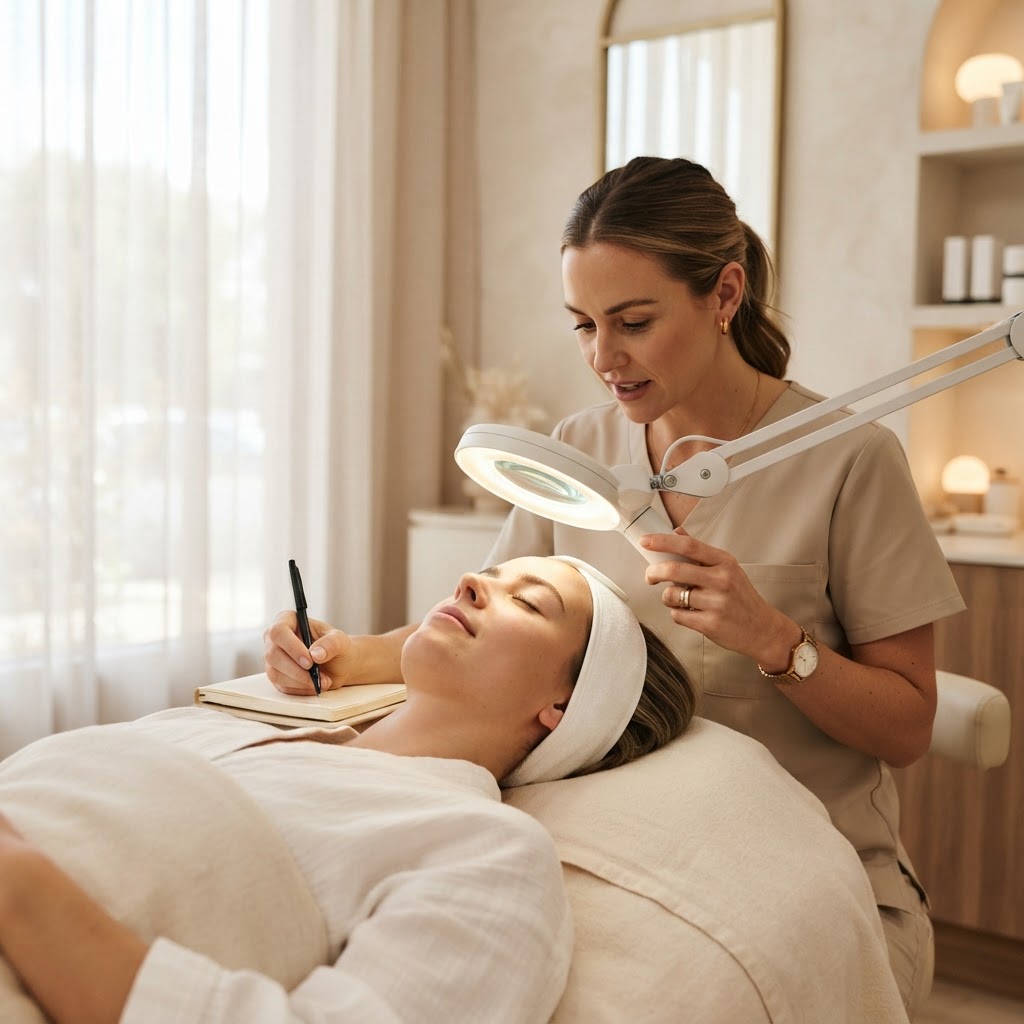
The first step is a professional skin consultation. Your practitioner will assess your scar types, skin type, and medical history to create a personalised treatment plan.
Frequently Asked Questions
References
- Goodman GJ, Baron JA. The management of postacne scarring. Dermatologic Surgery. 2007.
- Lee H et al. Fractional microneedling for acne scars: A review. Journal of Cosmetic Dermatology. 2020.
Written By
Dafni
Dafni is the founder and lead practitioner at HiSculpt Aesthetics, specialising in advanced skin and body treatments with over a decade of experience in medical aesthetics.
Your Transformation Starts Here
Ready to transform your skin?
Book a personalised consultation at HiSculpt Aesthetics and receive a customised treatment plan tailored to your skin or body goals.