Pigmentation: Causes, Prevention and Treatment Options
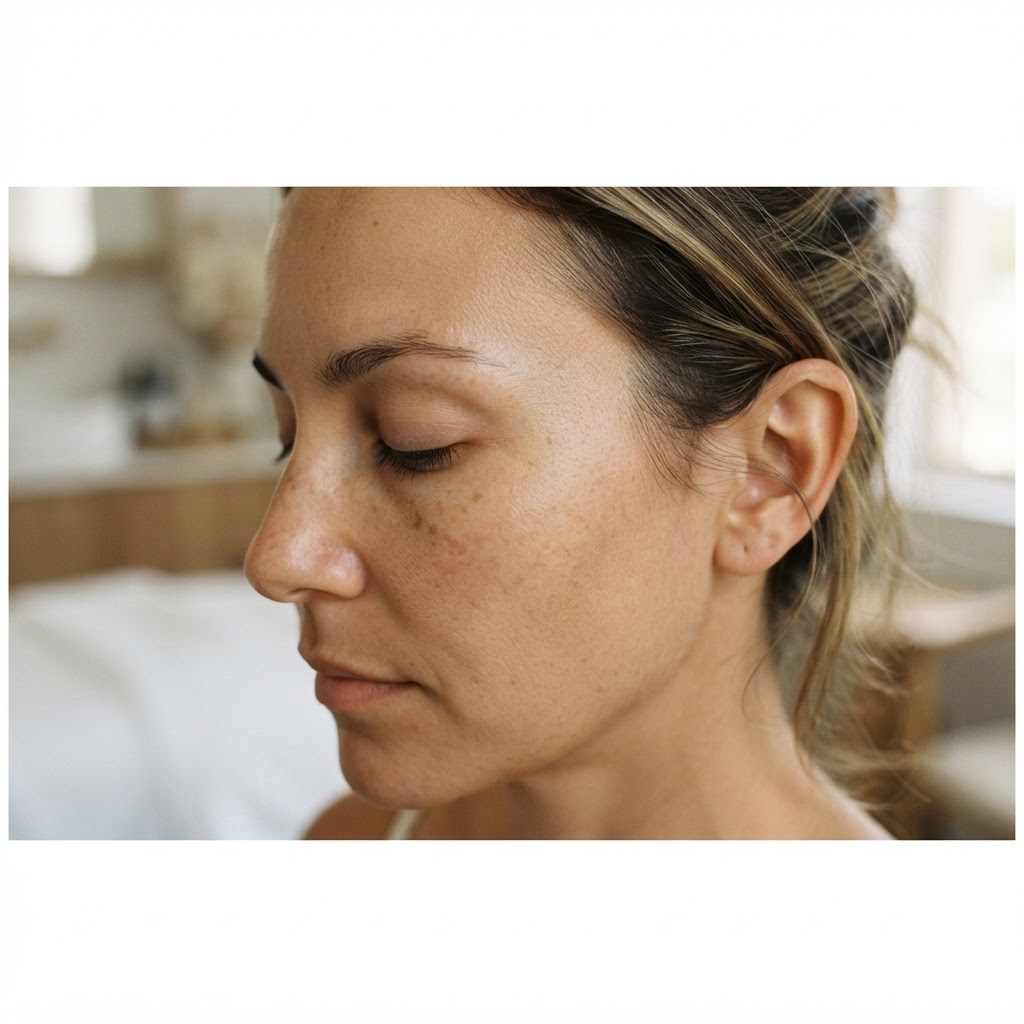
What Pigmentation Is
Pigmentation occurs when melanin — the pigment that gives skin its colour — is produced unevenly or accumulates in one area. Melanin is produced by cells called melanocytes, and it is influenced by UV exposure, hormones, inflammation and genetics.
Uneven skin tone is one of the most common concerns we see at our Noble Park clinic, and it is also one of the most misunderstood. Different types of pigmentation respond to different treatments, which is why identifying the type comes before deciding on treatment.
Common Types of Pigmentation
- Sun spots and freckling — flat, brown marks caused by cumulative UV exposure, appearing most often on the face, hands, chest and shoulders
- Melasma — a symmetrical, hormonal pattern of pigmentation, commonly on the cheeks, upper lip, forehead and jawline
- Post-inflammatory hyperpigmentation (PIH) — dark marks left after acne, injury or inflammation, and more common in deeper skin tones
- Age-related pigmentation — years of accumulated sun damage surfacing as darker, more defined patches
What Causes Pigmentation
- Sun exposure — UV rays stimulate melanin production
- Hormonal changes — pregnancy, contraception and perimenopause or menopause can trigger melasma, which is why it is sometimes called the mask of pregnancy
- Inflammation — acne, burns, insect bites and picking can leave marks behind
- Age — cumulative sun exposure becomes visible over time
- Medications — some medications increase photosensitivity, so the skin reacts more strongly to UV
- Heat and visible light — relevant for many people with melasma
Preventing Pigmentation
Prevention is always easier than treating pigmentation once it has developed:
- Wear SPF 50+ every single day, rain or shine
- Reapply sunscreen every two hours when outdoors
- Wear protective clothing, a hat and sunglasses
- Avoid peak UV hours where practical
- Use vitamin C and niacinamide in your daily routine, if your skin tolerates them
- Avoid picking at blemishes — it is a common cause of PIH
Australia has some of the highest UV levels in the world, so sun protection applies year-round, including through winter. Our article on how sun damage affects your skin (even in winter) explains why.
Professional Treatment Options
Topical Skincare
Prescription-strength lightening agents containing ingredients such as hydroquinone, kojic acid, azelaic acid and tranexamic acid can fade pigmentation gradually. These require professional guidance, particularly with melasma and deeper skin tones.
Chemical Peels
Peels exfoliate pigmented surface layers and accelerate cell turnover, with improvement building across a course. Gentle, gradual peels such as the Mandelic Acid Peel or Radiance Peel are often chosen when pigment is superficial. Our guide to choosing the right chemical peel explains how depth is matched to your skin.
Laser Pigmentation Reduction
Laser pigmentation reduction targets pigment more directly, with most benefit seen across three to five sessions spaced four to six weeks apart. Laser is a powerful option for stubborn pigmentation, but it requires careful planning — particularly for melasma, which can worsen with the wrong approach.
Skin Needling
Medical skin needling is often used for post-acne marks and uneven texture, as it works on collagen and skin quality rather than surface pigment alone.
An Honest Note on Melasma
Melasma is a chronic, hormone- and light-sensitive condition. It can be improved, but it is generally managed rather than cured, and it can recur — especially without consistent sun protection. Any clinic promising permanent removal of melasma should be treated with caution. A realistic plan focuses on control, maintenance and protecting the skin from triggers.
Realistic Expectations
Pigmentation treatment requires patience. Many people need a course of treatments over several months, and the most durable results come from combining in-clinic treatments with a disciplined at-home routine — with daily sun protection being the foundation of everything else.
Important: individual responses vary, and results cannot be guaranteed. Pigmentation must be assessed in person before a treatment plan is recommended.
When to See a Practitioner
Book an assessment if you notice:
- New or changing pigmentation
- Pigmentation that is spreading or darkening despite sun protection
- Pigmentation following pregnancy, contraception or a change of medication
- Pigmentation that has not responded to over-the-counter products
A professional skin assessment identifies the type of pigmentation you have, which is what determines the treatment options that are likely to help. At HiSculpt Aesthetics in Noble Park, Melbourne, we treat pigmentation through a combination of peels, laser and skin needling, planned around your skin type and lifestyle.
Frequently Asked Questions
Written By
Dafni
Dafni is the founder and lead practitioner at HiSculpt Aesthetics, specialising in advanced skin and body treatments with over a decade of experience in medical aesthetics.
Your Transformation Starts Here
Ready to transform your skin?
Book a personalised consultation at HiSculpt Aesthetics and receive a customised treatment plan tailored to your skin or body goals.