HIFU vs RF Skin Tightening: What's the Difference?
Understanding the Two Technologies
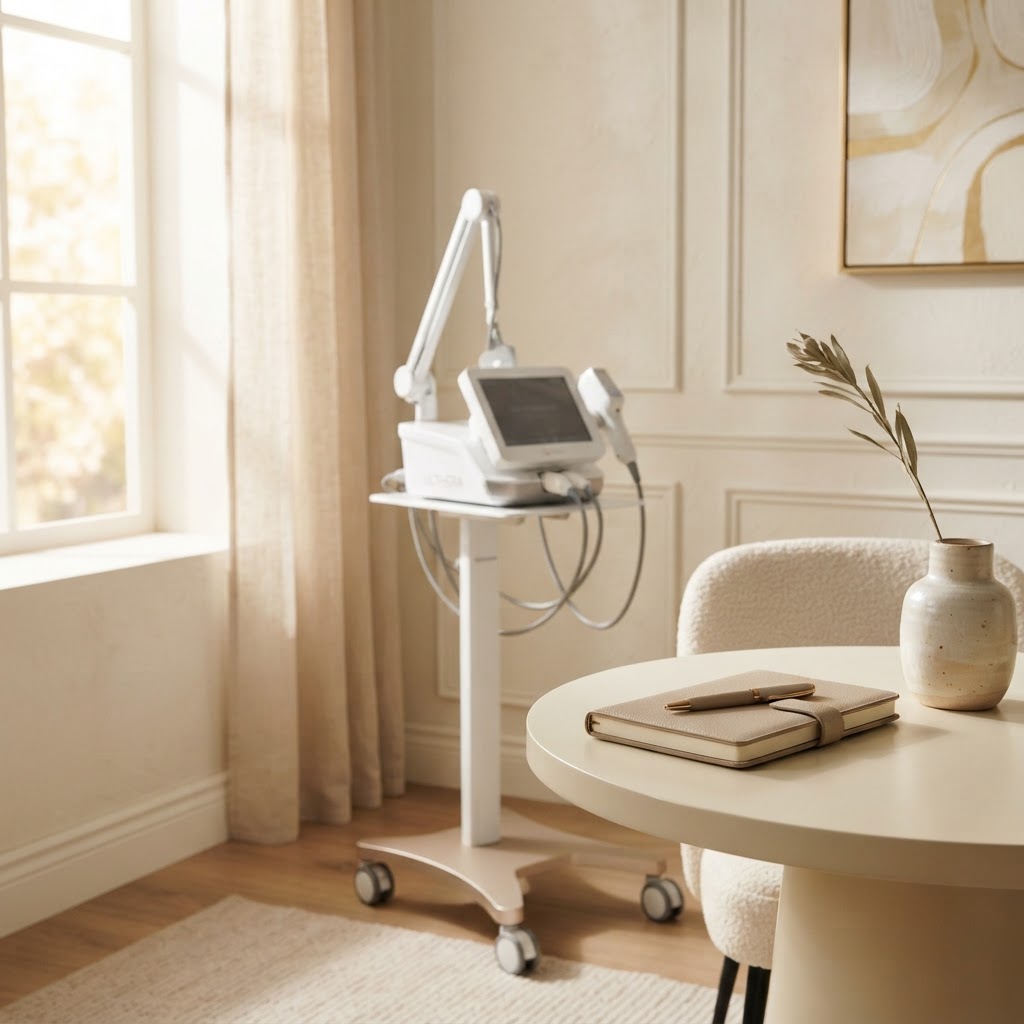
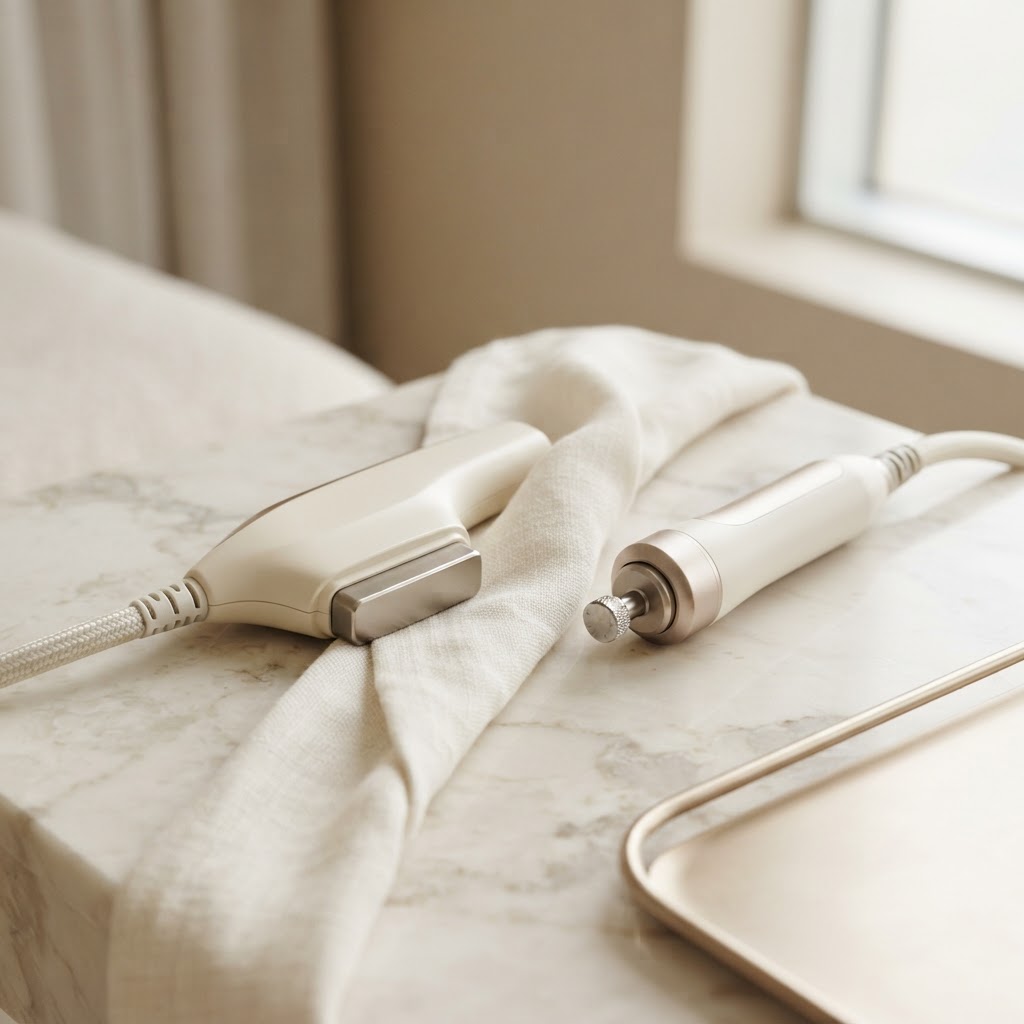
HIFU (High-Intensity Focused Ultrasound) and RF (Radiofrequency) skin tightening are two of the most established non-surgical treatments for skin laxity, fine lines and loss of firmness. Both stimulate collagen production and tighten the skin — but they use fundamentally different technologies and work at different depths.
At HiSculpt Aesthetics in Noble Park, Melbourne, we offer both, which means the recommendation we make is based on your skin rather than on the technology we happen to have available.
How HIFU Works
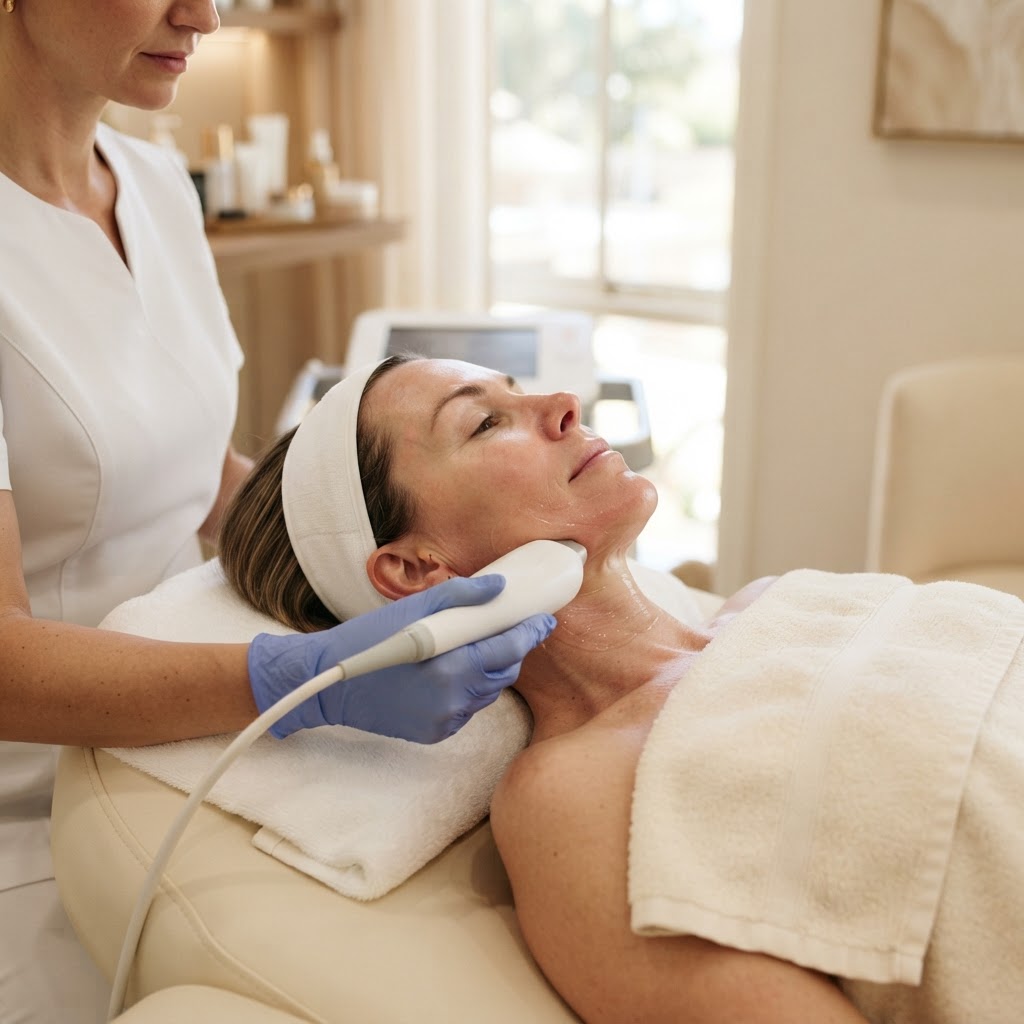
HIFU stands for High-Intensity Focused Ultrasound. It delivers focused ultrasound energy to precise depths beneath the skin — including the deep foundational layer (the SMAS) traditionally addressed only by surgical facelifts.
The energy converges at a chosen point rather than heating the surface broadly, creating small, controlled coagulation points that trigger the body's natural collagen renewal response. Because the deeper support structures of the face are involved, HIFU is typically chosen for lifting and tightening.
Collagen remodelling is gradual: results usually begin to appear around four weeks, continue developing over three to six months, and a single full-face treatment typically lasts 12 to 18 months.
Learn more in our guide to HIFU for the lower face and jawline, or explore our full face HIFU and lower face HIFU treatments.
How RF Works
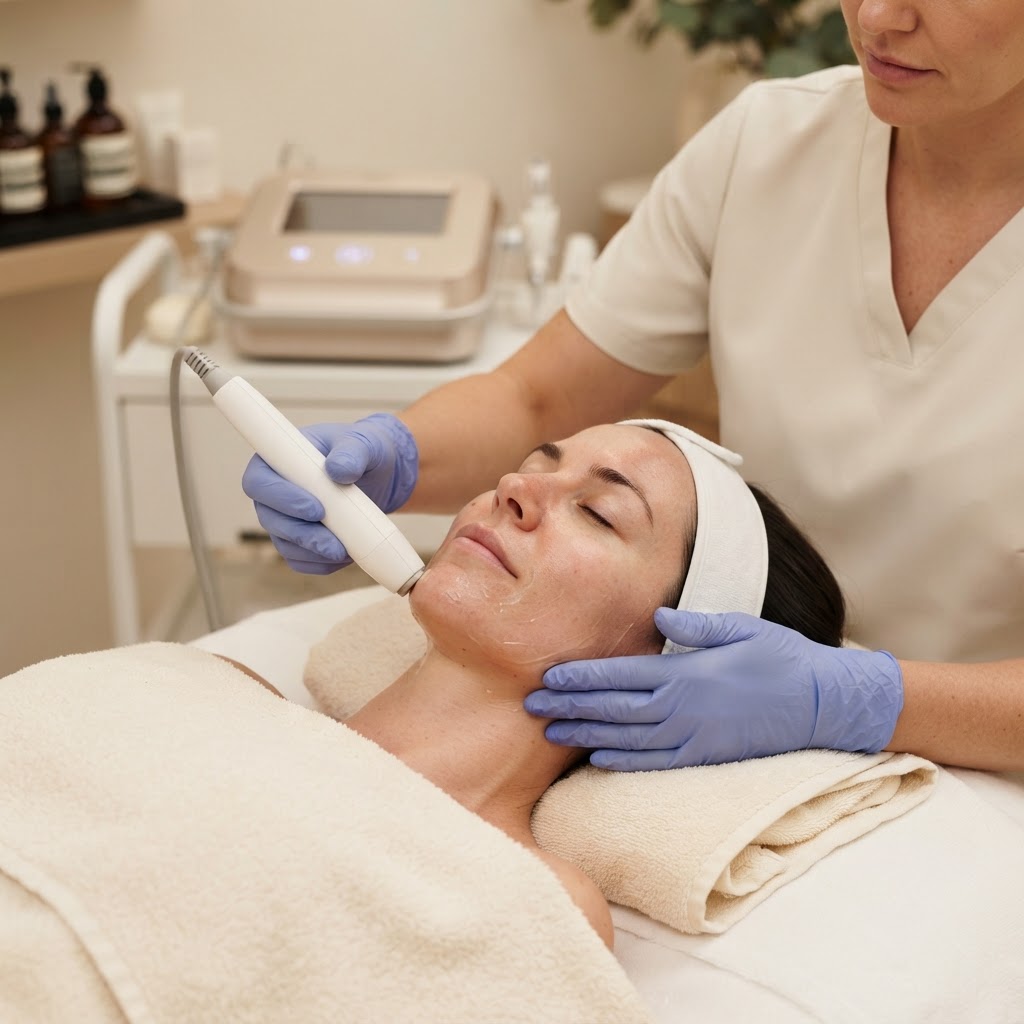
Radiofrequency skin tightening uses RF energy to heat the dermis — the middle layer of the skin where collagen and elastin reside. A handpiece is moved over the skin in gentle, measured passes, so the heat is delivered evenly rather than concentrated at a single point.
The heat stimulates the skin's repair response and new collagen production, while also creating a temporary tightening effect that many clients notice immediately. Improvement continues over six to twelve weeks as the new collagen matures.
RF is typically chosen for surface firmness, fine lines and skin texture, and it is also used on the body. See our articles on how radiofrequency skin tightening works and our ThermaLift RF Facial.
The Key Differences
| | HIFU | Radiofrequency | | --- | --- | --- | | Energy type | Focused ultrasound | Radiofrequency (heat) | | Depth | Precise points, reaching deeper layers including the SMAS | Dermis (mid-layer), heated more broadly | | Primary goal | Lifting and tightening deeper laxity | Firmness, fine lines and texture | | Sensation | Deep warmth and short pulses | Steady, comfortable warmth | | Downtime | None; mild pinkness and warmth for a few hours | None | | Typical course | Often a single treatment, repeated every 12 to 18 months | A course of 4 to 6 weekly sessions (face) or 6 to 8 sessions (body) | | Results appear | Initial tightening around 4 weeks; peak at 3 to 6 months | Immediate tightening; continued improvement over 6 to 12 weeks | | Best suited to | Mild to moderate laxity, softening jawline, early jowling | Early ageing, fine lines, dull tone, surface firmness |
So Which One Is Right for You?
A useful way to decide:
- If your main concern is laxity — a softening jawline, early jowling or a tired lower face — HIFU is often the more appropriate choice, because it works on the deeper support structures
- If your main concern is surface quality — fine lines, crepey texture or dull tone — RF is often the better fit
- If you want to firm the body, RF body treatments are typically used
- If you have both concerns, a planned combination often achieves more than either treatment alone
Can You Combine HIFU and RF?
Yes — and many clients do. Because the two technologies work at different depths, they can be complementary: HIFU addresses deeper support, while RF refines the surface.
Timing matters and is planned individually. Treatments are usually spaced several weeks apart so the skin can respond and recover between sessions. Your practitioner will design a sequence around your concerns, your calendar and any other treatments you are having.
Comfort and Downtime
Neither treatment involves downtime. HIFU clients typically feel deep warmth and short pulses, with short breaks possible if needed. RF clients describe a steady, comfortable warmth as the handpiece moves.
Mild pinkness and warmth afterwards is normal for both, and most people return to their day immediately. Standard aftercare applies to both:
- SPF 50+ daily
- Keep the skin hydrated and avoid strong actives while it settles
- Avoid saunas, steam rooms and very hot showers on the day of treatment
- Follow any specific guidance your practitioner provides
A Realistic Word on Results
Neither treatment replicates surgery, and neither restores volume the way dermal fillers do. What they can do is improve firmness and tighten the appearance of skin gradually and naturally. Visible peeling, dramatic swelling and instant transformation are not part of either treatment — and any clinic promising that should be treated with caution.
Important: individual responses vary, and results cannot be guaranteed. Suitability is always determined following a professional assessment.
Choosing Between Them at HiSculpt Aesthetics
The most reliable way to choose is an assessment, where your practitioner examines your skin, discusses your concerns and explains what each technology can realistically achieve for you.
We offer both HIFU and RF at our clinic in Noble Park, Melbourne, as part of our skin tightening treatments — alongside body radiofrequency for firming and contouring. We also welcome clients from across Melbourne's south-east, including Dandenong, Springvale, Keysborough, Mulgrave, Clayton and Glen Waverley.
We will also tell you honestly if a different approach, or a surgical opinion, would serve you better.
Frequently Asked Questions
References
- Journal of Cosmetic Dermatology — HIFU vs RF: a comparative review
- Lasers in Surgery and Medicine — Radiofrequency for skin tightening
- Journal of Clinical and Aesthetic Dermatology — Non-surgical skin tightening technologies
Written By
HiSculpt Aesthetics
HiSculpt Aesthetics is a premium clinical aesthetics clinic in Noble Park, Melbourne, offering non-surgical skin, body and laser treatments personalised to enhance natural beauty.
Your Transformation Starts Here
Ready to transform your skin?
Book a personalised consultation at HiSculpt Aesthetics and receive a customised treatment plan tailored to your skin or body goals.