How Collagen Changes As We Age
What Is Collagen?
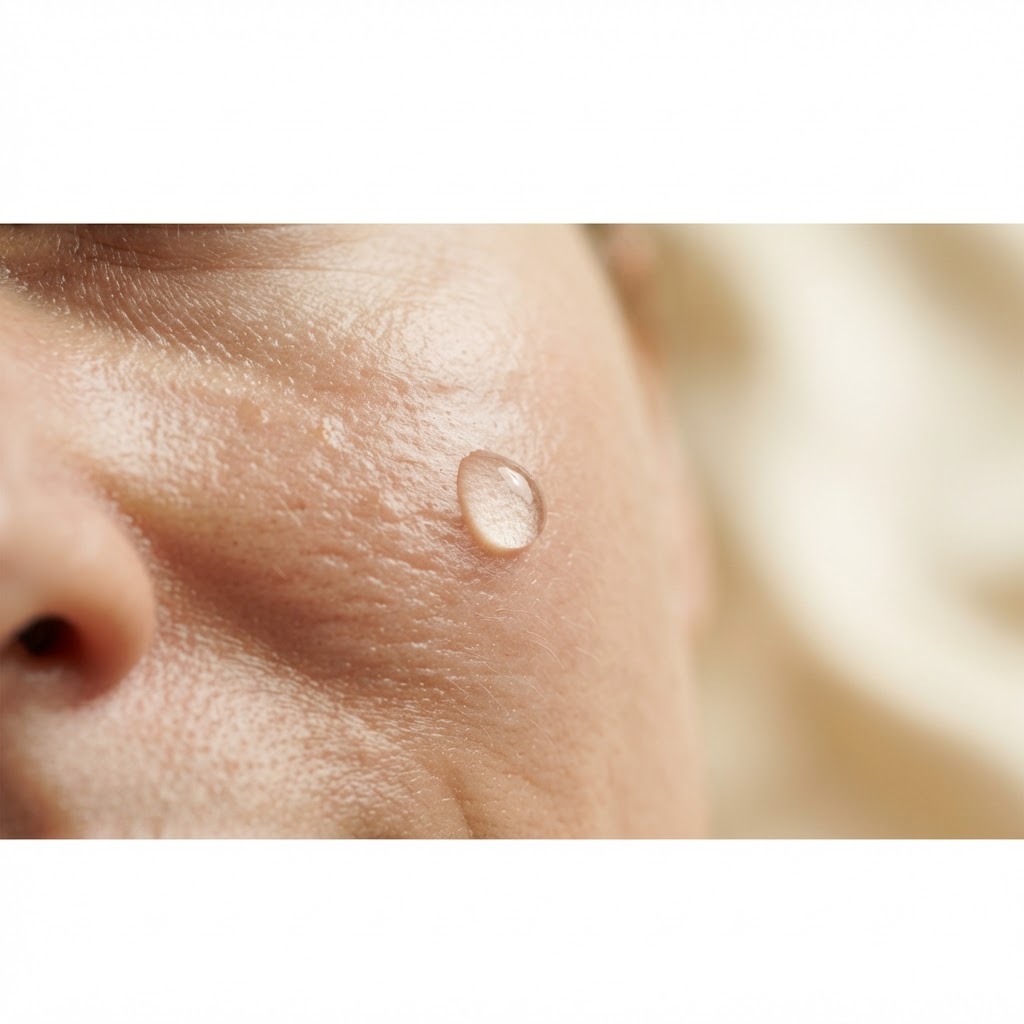
Collagen is the most abundant protein in your body and makes up roughly 75 per cent of your skin's dry weight. Think of it as the scaffolding that keeps skin firm and resilient. Alongside elastin (which provides stretch) and hyaluronic acid (which holds water), collagen gives skin its plump, healthy appearance.
Collagen is produced by cells called fibroblasts. The quality of the collagen you have — not just the quantity — matters, because collagen fibres become fragmented and disorganised with age and sun exposure.
How Collagen Changes With Age
Your 20s
Collagen production is near its peak and skin is firm and resilient. However, production begins to decline from the mid-twenties, and UV exposure starts to affect the quality of existing collagen long before wrinkles appear.
Your 30s
Early signs appear — fine lines, slight loss of firmness and slower recovery. This is the ideal period to build protective habits and consider preventative treatment.
Your 40s
Changes become more noticeable: deeper lines, laxity and volume loss. Collagen production has slowed considerably, and treatments that stimulate collagen — such as microneedling and radiofrequency — become genuinely worthwhile.
Your 50s and Beyond
Menopause accelerates collagen loss, sometimes significantly within a few years. Skin becomes thinner, drier and more fragile, and consistent care becomes essential for maintaining skin quality.
The science in brief: collagen production declines gradually from early adulthood, and structural changes accelerate with hormonal shifts and cumulative sun exposure. The rate and visibility of this vary widely between individuals.
Why Collagen Declines
- Ageing cells — fibroblasts become less active over time
- Hormonal changes — declining oestrogen is associated with accelerated collagen loss
- Sun damage — UV radiation breaks down existing collagen and impairs new production
- Free radicals — oxidative stress damages collagen fibres
- Glycation — excess sugar intake can stiffen collagen
- Lifestyle — smoking, poor nutrition and chronic stress all accelerate breakdown
Can Collagen Be Rebuilt?
This is where honest expectations matter. You cannot simply replace lost collagen, and supplements and creams are not a substitute for the collagen-stimulating treatments used in clinical practice. What you can do is:
- Protect what you have — primarily through daily sun protection
- Support collagen production — with nutrition, sleep and appropriate skincare
- Stimulate new collagen — with in-clinic treatments designed to trigger the skin's own repair response
Protect What You Have
- Daily SPF 50+ — preventing UV-related breakdown is the single most effective step
- Antioxidants such as vitamin C, which help neutralise free radicals
- Don't smoke — smoking is strongly linked to accelerated skin ageing
- Limit excessive sugar and alcohol
- Prioritise sleep — much of the skin's repair happens overnight
Stimulate New Collagen
In-clinic treatments can stimulate collagen production in a controlled way:
- Skin Needling — creates micro-channels that trigger the skin's repair response, often a course of three to six sessions
- Radiofrequency — heats the dermis to stimulate collagen and elastin over six to twelve weeks
- HIFU — reaches deeper layers, including the SMAS, for a lifting effect that continues developing over three to six months
- Regenerative infusions and Repair Infusion (PDRN) — infusion treatments supporting skin quality and repair
- Chemical peels — stimulate renewal, particularly for surface texture and tone
Which of these suits you depends on the depth and type of change you are noticing, your downtime tolerance and your goals. Our guides to radiofrequency skin tightening and HIFU for the lower face explain two of the main approaches in more detail.
Support Collagen From Within
- Protein — provides the amino acids collagen is built from
- Vitamin C — essential for collagen synthesis
- Hydration — supports the environment collagen needs
- Quality sleep and regular movement — both support skin repair and circulation
Important: individual results vary, and no treatment can promise a specific outcome. A plan is best made after a professional assessment.
It's Never Too Late to Start
Whether you are 25 and thinking about prevention or 55 and looking to improve firmness, collagen-focused habits and treatments can make a meaningful difference to how your skin looks and behaves. The most effective approach is usually a combination: protect daily, support consistently, and stimulate strategically.
At HiSculpt Aesthetics in Noble Park, Melbourne, we assess your skin before recommending any collagen-stimulating treatment, so the plan matches the changes you are actually experiencing.
Frequently Asked Questions
Written By
Dafni
Dafni is the founder and lead practitioner at HiSculpt Aesthetics, specialising in advanced skin and body treatments with over a decade of experience in medical aesthetics.
Your Transformation Starts Here
Ready to transform your skin?
Book a personalised consultation at HiSculpt Aesthetics and receive a customised treatment plan tailored to your skin or body goals.